A Naturally Occurring Event—and How We’re Responding
July 22, 2026
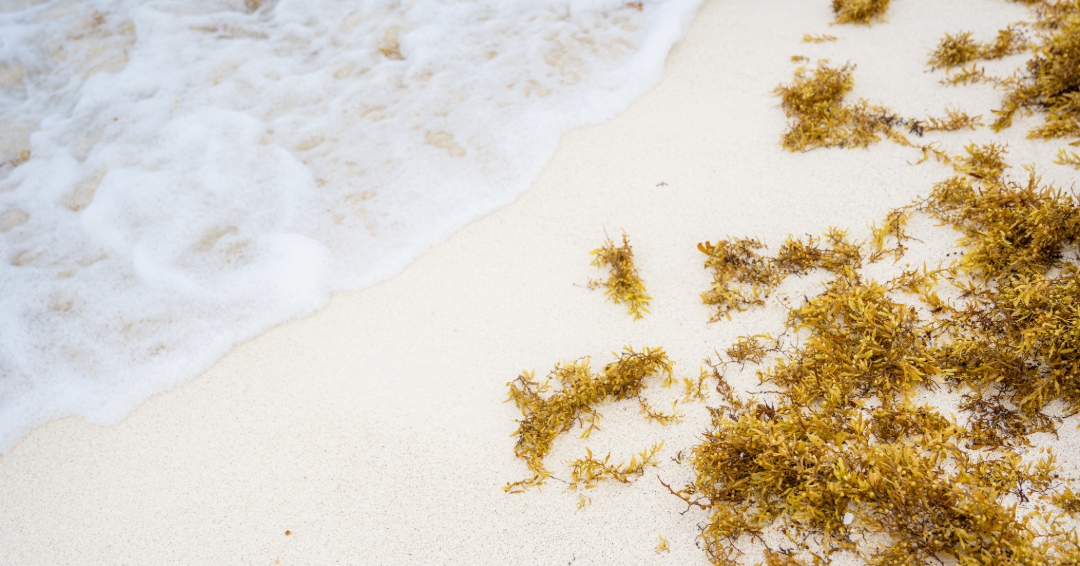
Bal Harbour Village understands that the recent accumulation of sargassum has affected the enjoyment of our beach, and we share our residents’ concerns. While this is a naturally occurring environmental event impacting communities across South Florida, the Caribbean, and the Gulf Coast, we recognize the importance of maintaining the exceptional quality of Bal Harbour Beach.
Our staff is working closely with Miami-Dade County and our beach maintenance contractors every day to minimize the impacts of sargassum. Although the County is responsible for routine beach maintenance, Bal Harbour Village has invested approximately $250,000 in supplemental cleanup services to provide additional daily cleaning throughout our beach. Crews are actively removing large accumulations, particularly near Haulover Inlet where currents naturally deposit the greatest amount of seaweed, while coordinating daily with County staff to monitor changing conditions and improve our response.
Sargassum is a naturally occurring seaweed that plays an important role in the marine ecosystem by providing habitat for fish, shrimp, crabs, sea turtles, and other marine life. However, when large amounts wash ashore, they can affect beach access and create unpleasant odors as they naturally decompose.
Following a resident complaint, the Florida Department of Health (DOH) conducted an on-site inspection of Bal Harbour Beach. The Department observed both the sargassum accumulation and the extensive cleanup efforts underway. Their recommendations were to continue removal efforts and provide residents with information about sargassum and health considerations.
Below are answers to some of the most frequently asked questions.
Sargassum is a naturally occurring seaweed that originates offshore in the Atlantic Ocean and floats freely on the ocean’s surface. It is common in the Atlantic Ocean and Gulf of Mexico and provides important habitat for marine life. In recent years, unusually large quantities have washed ashore on Florida beaches.
When sargassum washes ashore, it naturally decomposes and releases hydrogen sulfide gas, which creates the familiar “rotten egg” odor.
According to the Florida Department of Health, sargassum is not a toxin-producing algae and is not expected to harm your health. However, tiny marine organisms living within the seaweed may cause skin irritation if they come into direct contact with your skin.
For most people, no. The Florida Department of Health advises that in open beach environments, the general public is not expected to experience adverse health impacts from hydrogen sulfide released by decomposing sargassum. People with asthma or other respiratory conditions may be more sensitive and should consider limiting their exposure if they experience irritation or difficulty breathing.
Sargassum is continuously carried ashore by ocean currents, wind, wave action, and changing tides. Because these natural forces continue throughout the day, new seaweed may arrive shortly after cleanup crews finish their work. While cleanup efforts significantly reduce accumulations, they cannot prevent additional sargassum from washing ashore.
Bal Harbour Village is working daily with Miami-Dade County and Beach Raker LLC to reduce the impacts of sargassum. Current efforts include:
- Miami-Dade County completing daily raking (churning the seaweed with the sand) throughout Bal Harbour Beach, from the south end to the hotspot at the north end.
- A second pass of raking, completed by Beach Raker LLC (through coordination by Bal Harbour Village), from the south end to the hotspot at the north end.
- Daily removal of sargassum in the hotspot area, which is approximately 800 linear feet of beach closest to the jetty.
- Daily coordination between Village staff, the County, and contractors to monitor conditions and adjust operations as needed.
The Florida Department of Health recommends:
- Supervising children while at the beach.
- Avoiding touching or swimming near accumulated seaweed.
- Wearing gloves if you must handle sargassum.
- Moving away from the beach if you experience irritation or breathing difficulties until symptoms improve.
- Closing windows and doors if you live near the beach and odors are bothersome.
- Limiting time at the beach if you have asthma or other respiratory conditions.
Bal Harbour Village remains committed to maintaining the highest possible quality of our beach. We will continue working closely with Miami-Dade County, Beach Raker, and our agency partners to maximize cleanup efforts, monitor changing conditions, and pursue additional solutions whenever possible.
We appreciate our residents’ patience and understanding as we continue responding to this unprecedented natural event.